What are the eligibility criteria for Bachelor of Anaesthesia and Operation Theatre Technology (B.AOTT)
programme?
Students who are interested in applying for the Bachelor of Anaesthesia and Operation Theatre Technology (B.AOTT) must
have completed 10+2 or equivalent with Physics, Chemistry and Biology as main subjects
with at least 50% marks (45% for reserved categories) from a recognised board.
How is the Bachelor of Anaesthesia and Operation Theatre Technology (B.AOTT) programme structured?
The 4-year Bachelor of Anaesthesia and Operation Theatre Technology (B.AOTT) programme consists of eight semesters with
a mix of theoretical classes, laboratory sessions and clinical postings. The final year
includes extensive hospital rotations and a six-month internship in various speciality
departments. Students also complete a clinical project in their final semester.
What is the duration of Bachelor of Anaesthesia and Operation Theatre Technology (B.AOTT) programme?
The course duration of the Bachelor of Anaesthesia and Operation Theatre Technology (B.AOTT) programme is 4 years.
What is the fee for the Bachelor of Anaesthesia and Operation Theatre Technology (B.AOTT) programme?
The tuition fee for the Bachelor of Anaesthesia and Operation Theatre Technology (B.AOTT) programme is 2.5 lakh per
year.
Are scholarships available for Bachelor of Anaesthesia and Operation Theatre Technology (B.AOTT)
programme?
Yes, Apollo Allied Health Academy offers merit-based scholarships covering up to 25% of
tuition fees for outstanding applicants. Additionally, need-based financial aid and
education loans are available through partner banks. Students from underprivileged
backgrounds may qualify for special scholarships through our Inclusive Education
Initiative.
What kind of placement support is provided?
Our dedicated Placement Cell provides comprehensive career support, including resume
building, interview preparation and clinical skills assessment. We conduct dedicated
healthcare recruitment drives with Apollo Hospitals and other partner institutions. Our
programme maintains a 90% placement rate, with many students receiving offers during
their internship period.
What clinical exposure will I receive in Bachelor of Anaesthesia and Operation Theatre Technology (B.AOTT) programme?
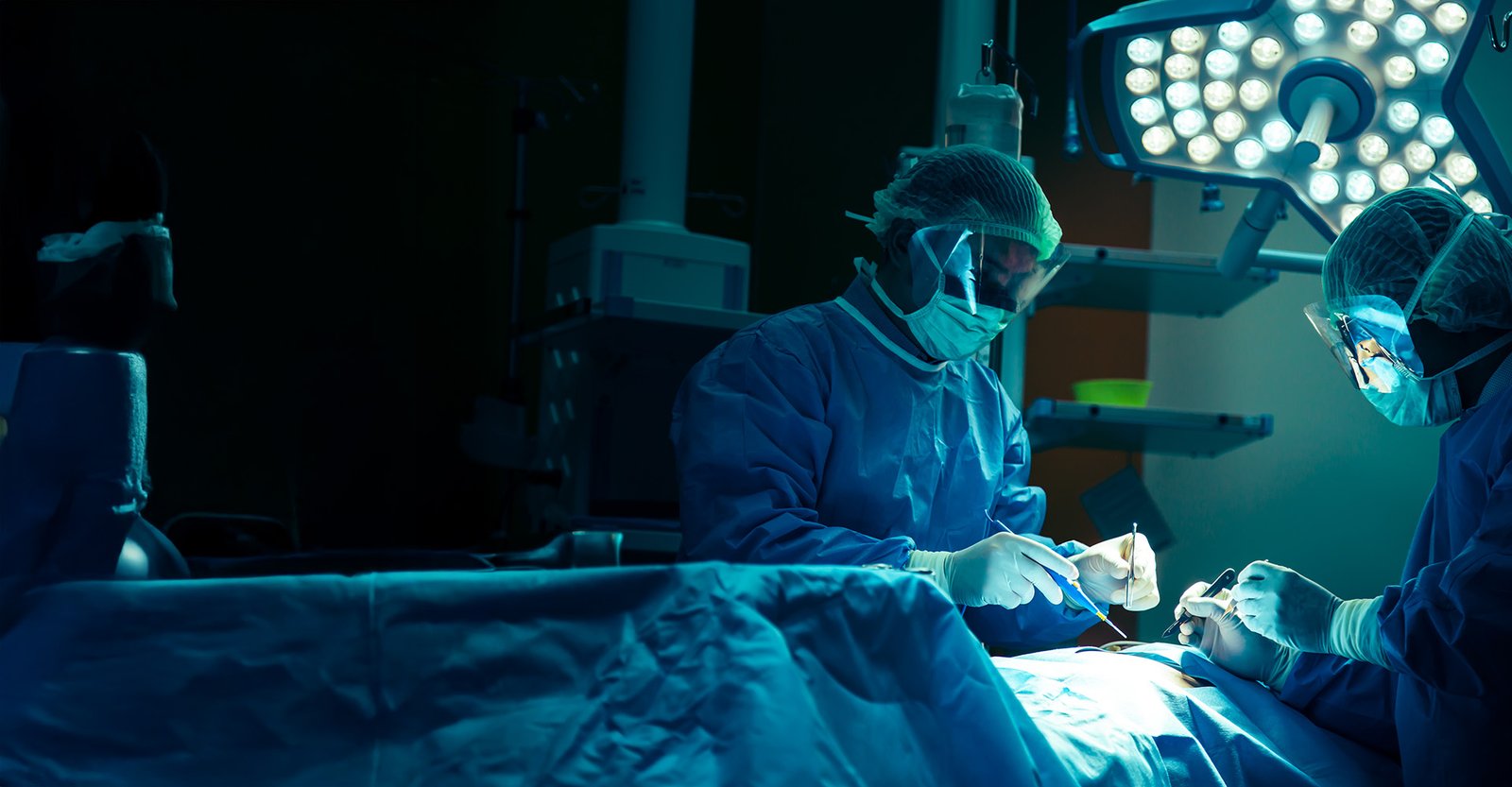
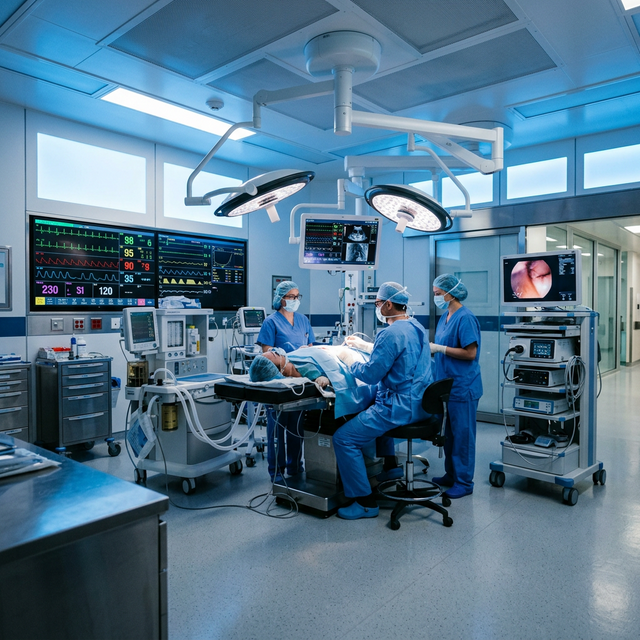
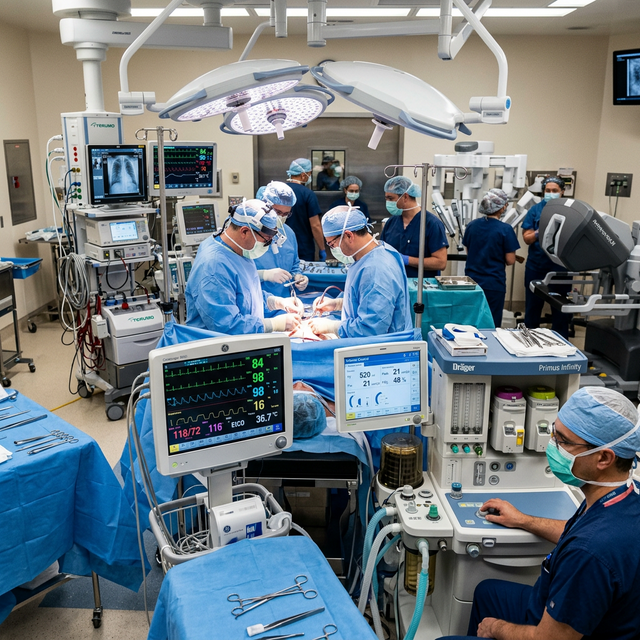
Students get extensive clinical exposure starting from the second semester. This
includes observation in operating theatres, hands-on training in simulation labs and
progressive responsibility in clinical settings. By the final year, students rotate
through general surgery, orthopaedics, cardiology, neurology, paediatrics and emergency
departments, with supervised participation in actual procedures.
What higher education options are available after a Bachelor of Anaesthesia and Operation Theatre Technology (B.AOTT) programme?
Graduates can pursue higher studies, including an M.Sc. in Operation Theatre Technology,
an M.Sc. in Perfusion Technology, an M.Sc. in Critical Care or specialised postgraduate
diplomas. Those interested in research can also explore M.Phil. or Ph.D. programmes in
related biomedical fields.